



When couples think about wedding photography, they naturally picture portraits, candids, and emotional moments. What’s often overlooked is context—the sense of place that grounds the story.
This is where drone photography plays a powerful, often understated role.
Used intentionally, drone imagery adds an important narrative layer to a wedding gallery—one that complements traditional photography rather than competing with it.
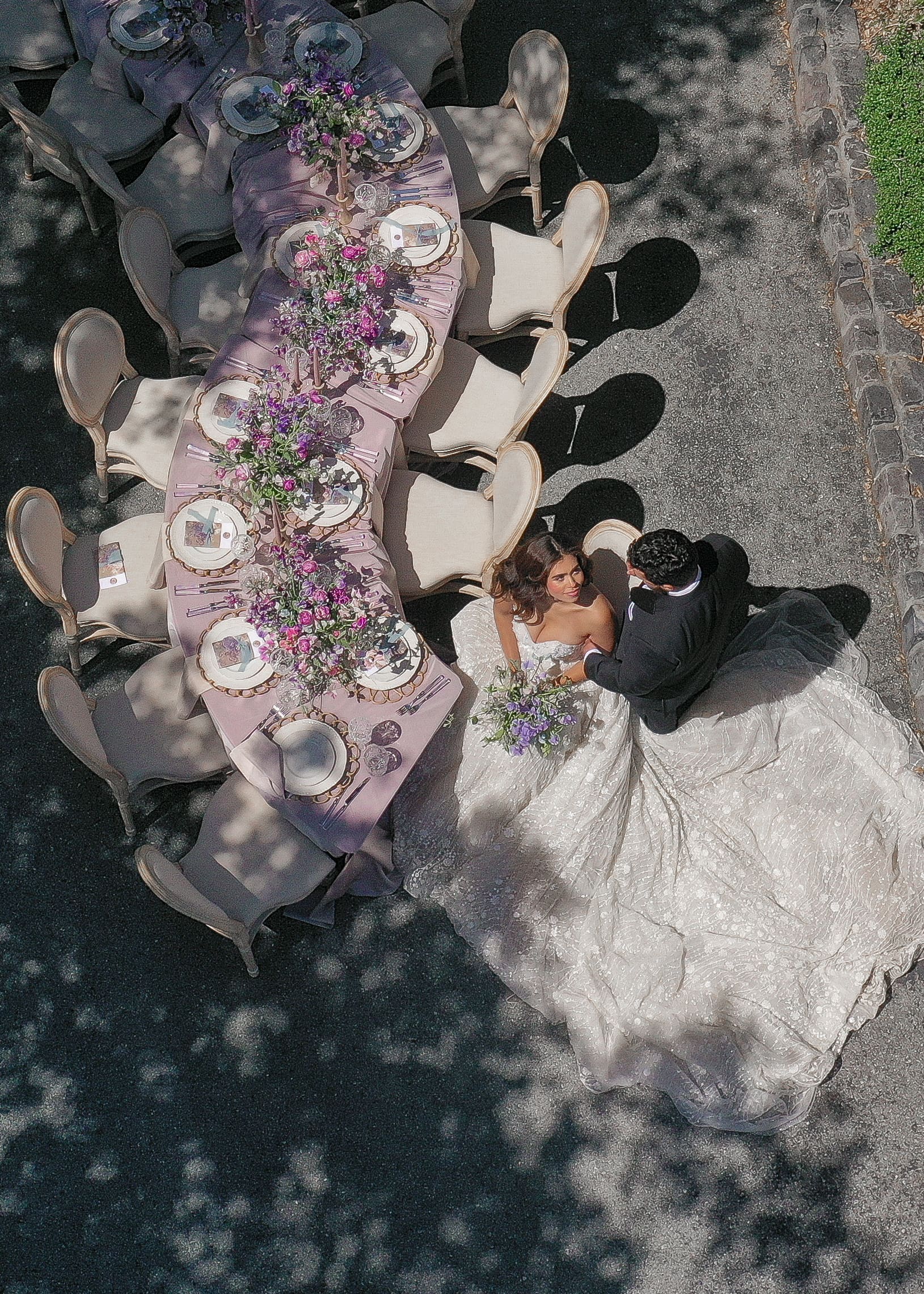
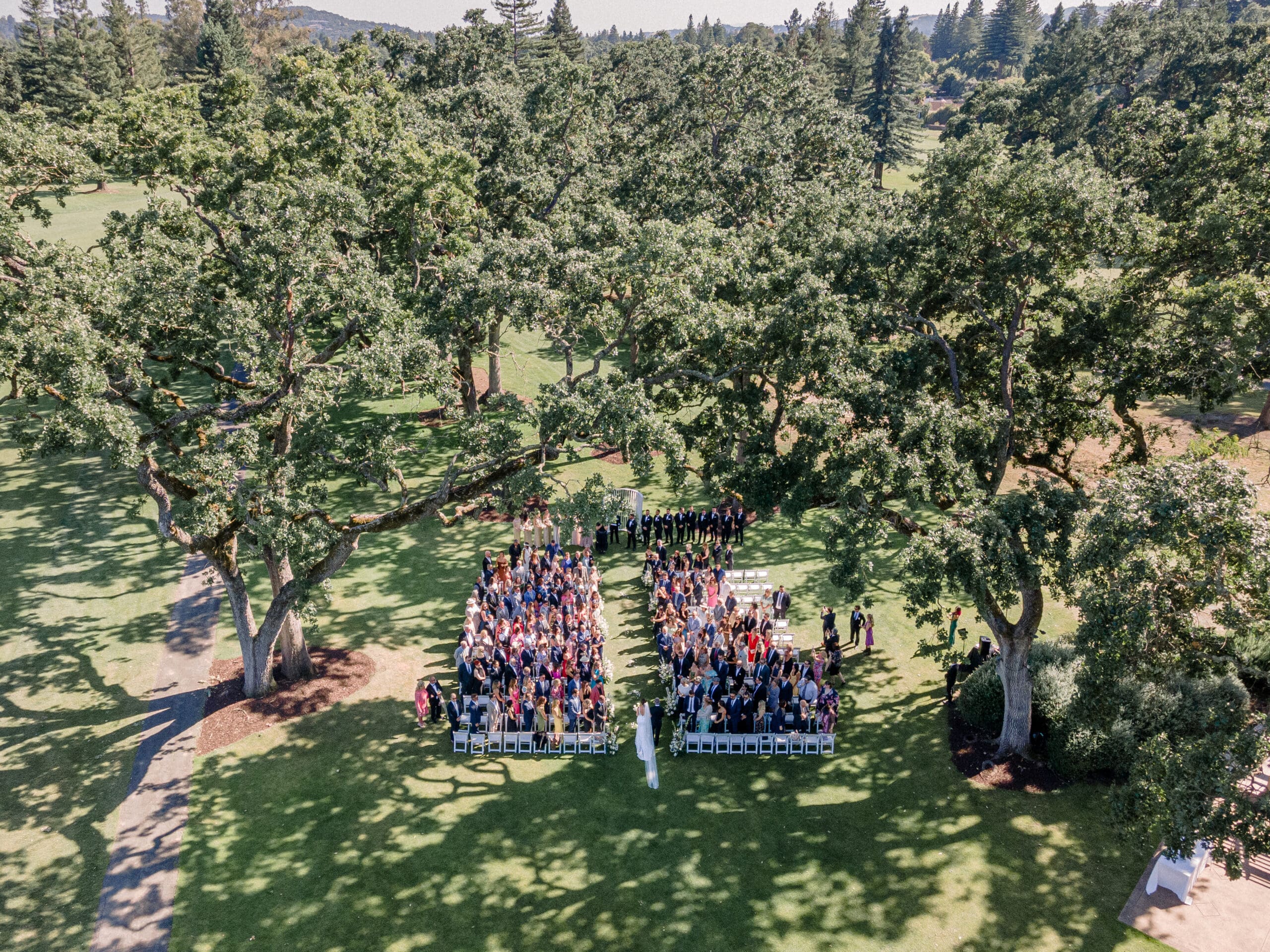
Drone Photography Tells the “Where” of the Story
Wedding photography captures the who and the how. Drone imagery captures the where.
From a storytelling standpoint, this matters more than couples often realize.
Aerial imagery:
- Establishes the setting
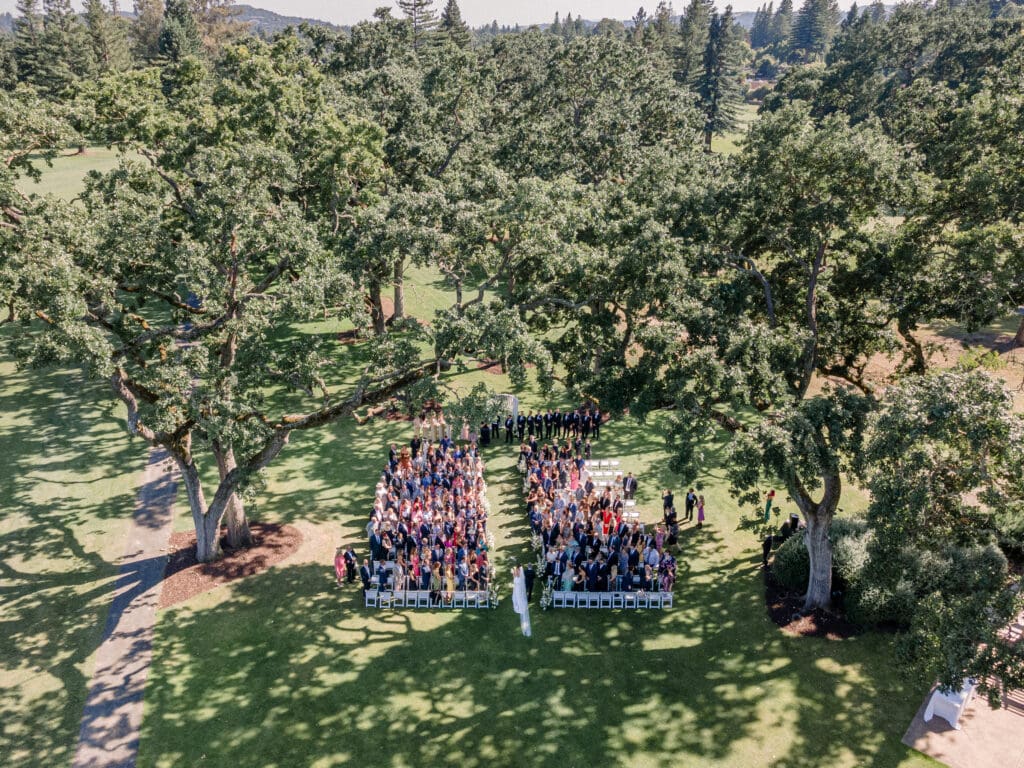
- Shows scale and environment
- Helps the gallery feel complete
For destination-feeling weddings—vineyards, estates, coastal venues, private properties—drone images provide visual context that ground the rest of the story.
Couples love it because it shows their day as it felt, not just as it looked up close.
It Elevates the Gallery Without Overpowering It
Luxury drone photography is subtle. It’s not about dramatic flyovers or excessive angles. It’s about a few well-placed images that anchor the narrative.
Typically, drone images work best when:
- Used sparingly (a handful per gallery)
- Captured during calm moments, not peak emotion
- Focused on environment, not people
When integrated thoughtfully, drone imagery adds sophistication and depth—never distraction.
Perfect for Estate, Vineyard, and Coastal Weddings
Certain venues truly benefit from aerial perspective:
- Vineyards and wine country estates
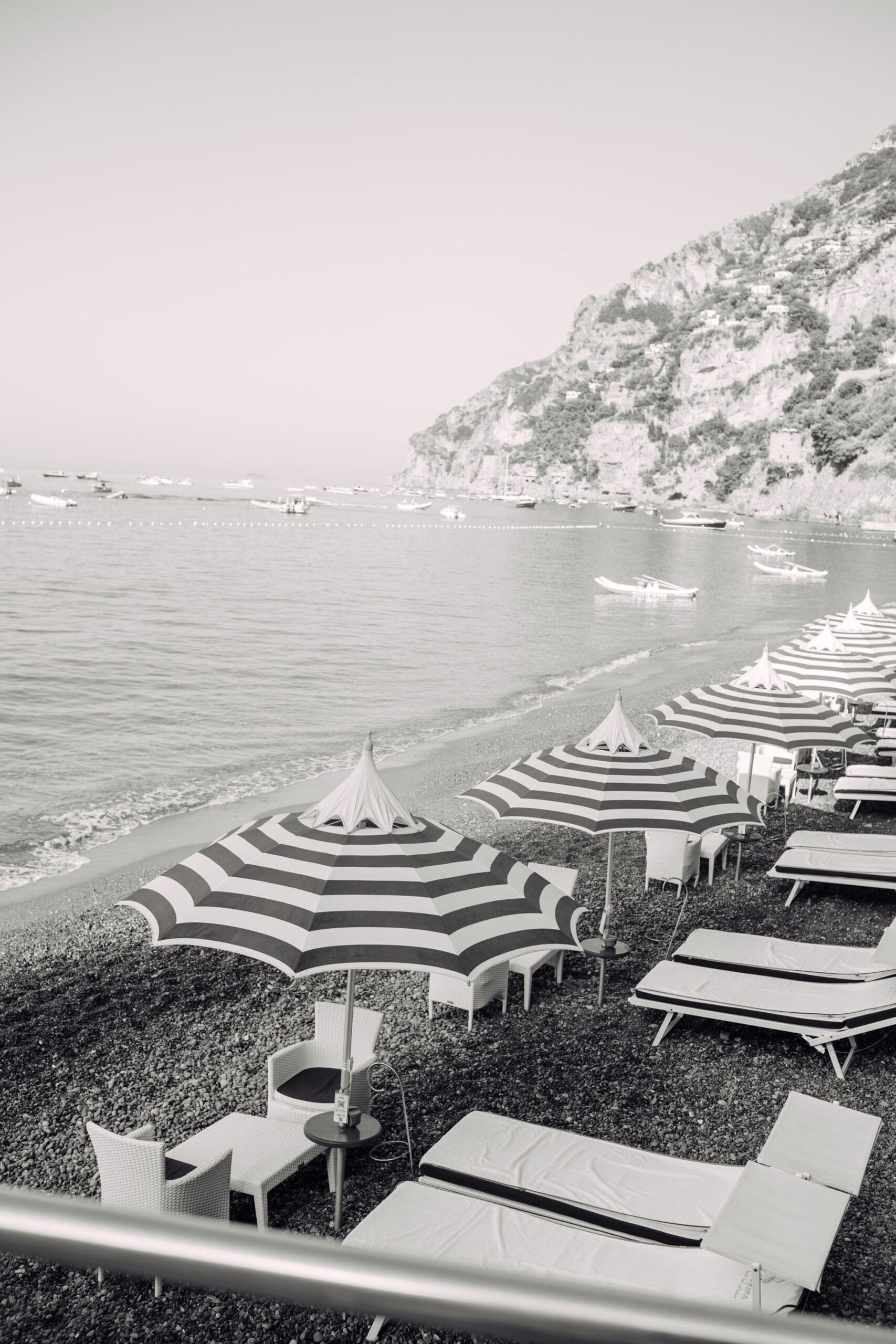
- Coastal cliffs and shoreline venues
- Private properties and large outdoor layouts
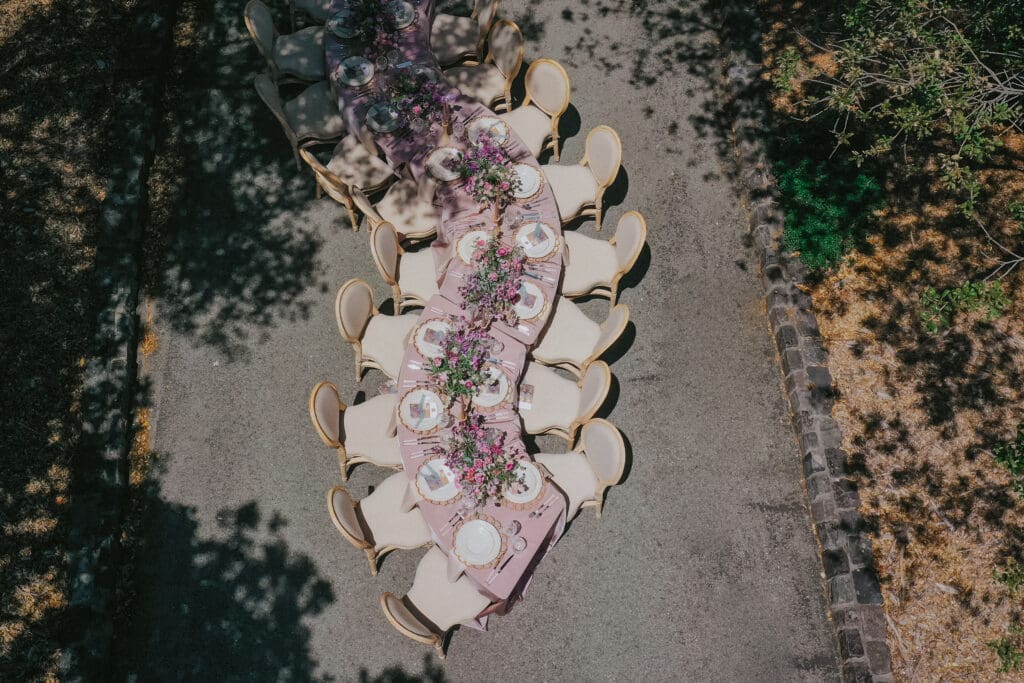
From above, these spaces reveal patterns, symmetry, and scale that simply aren’t visible from the ground.
For couples, they become iconic, framing their wedding within the landscape they chose so intentionally.
A Fuller Story, Not Just More Images
Drone photography isn’t about quantity. It’s about completeness.
When couples look back at their gallery, drone images help them remember:
- How the day unfolded within the space
- How guests moved through the environment
- How intentional the setting truly was
It rounds out the narrative—adding perspective without taking attention away from the moments that matter most.